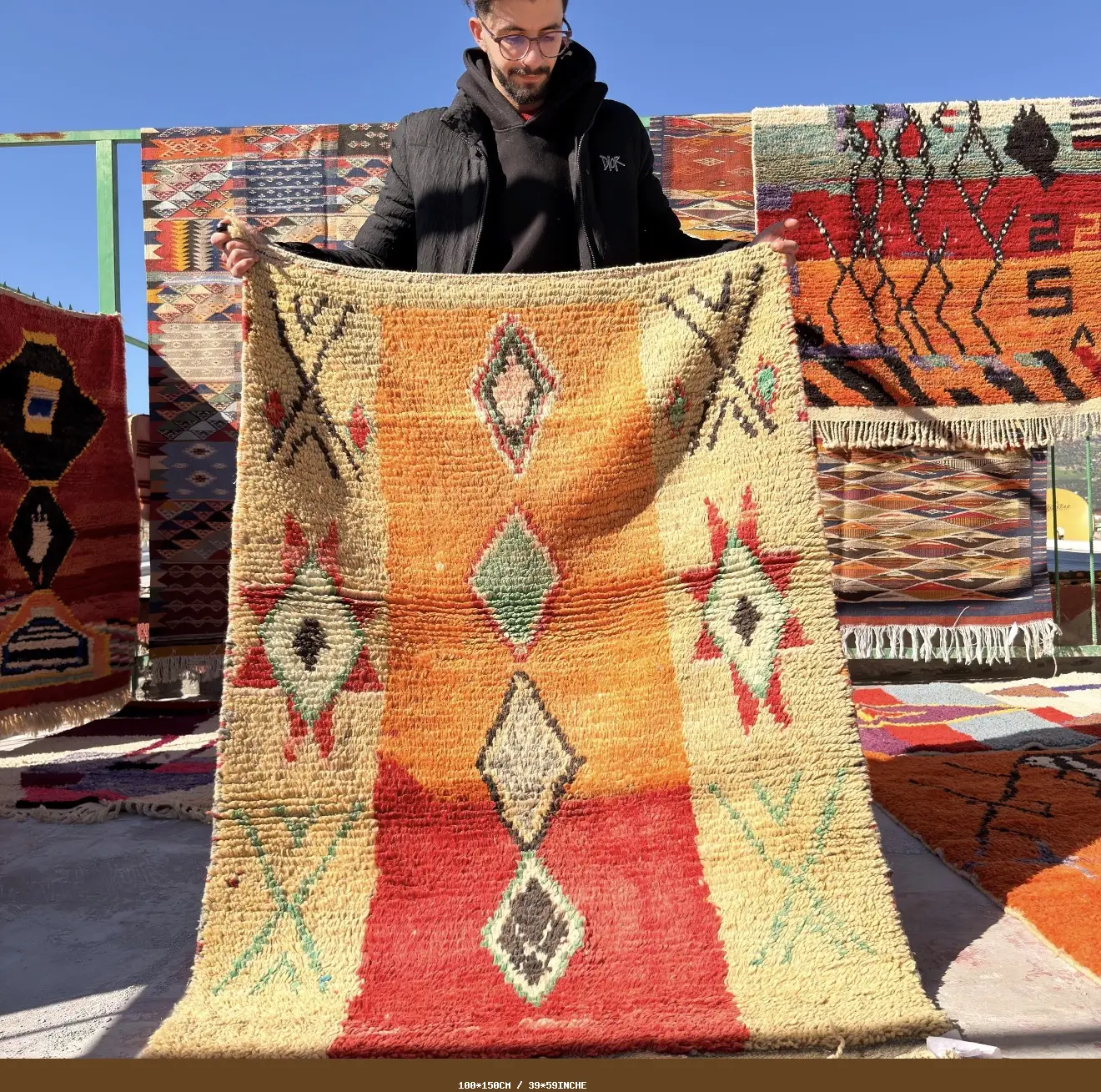
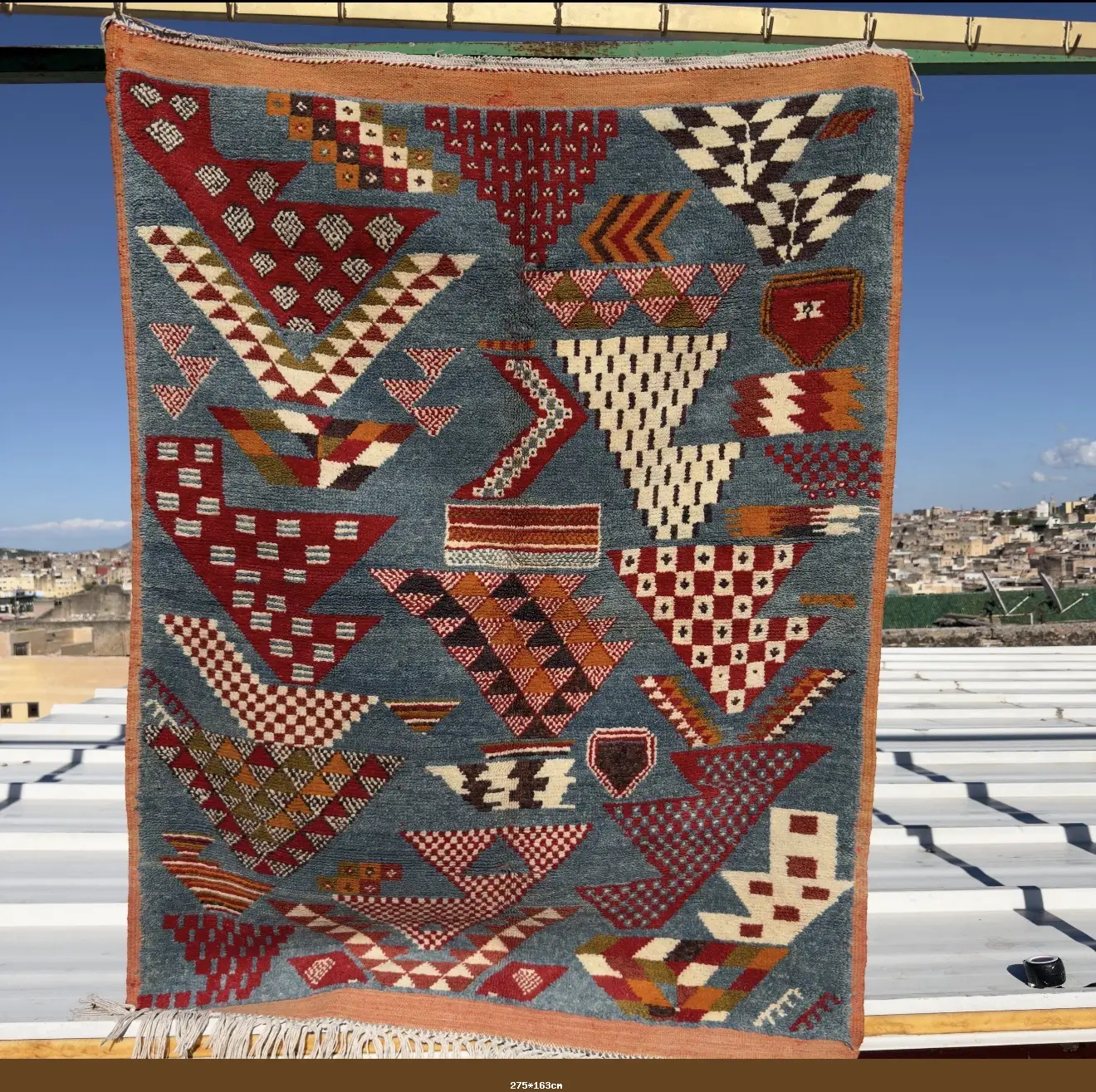
Buying an area rug, especially a handmade or antique piece, is a significant investment of both money and emotion. You spend hours searching for the perfect design, fall in love with its story, and envision it as the centerpiece of your home. But in the excitement of the purchase, it's easy to overlook the least glamorous part of the process: the paperwork.
The warranty, the certificate of authenticity, and the return policy are more than just fine print; they are your primary forms of protection as a consumer. Understanding these documents is the difference between a confident investment and a costly mistake. This guide will walk you through the legal essentials to look for before you sign, ensuring your treasured rug is a source of joy, not a buyer's remorse story.

1. Decoding the Warranty: What Are You Really Covered For?
A warranty sounds like a safety net, but its actual value depends entirely on the details. Not all warranties are created equal.
-
What It Usually Covers: A manufacturer's warranty typically covers defects in craftsmanship. This can include issues like premature unraveling of the seams, unusual shedding (beyond the normal initial period), or defects in the weave.
-
What It Almost Never Covers: Warranties will not cover damage from normal life. This includes stains, spills, pet damage, fading from sunlight, or damage caused by improper cleaning. Normal wear and tear in high-traffic areas is also excluded.
-
What to Look For:
-
Length of Coverage: Is it a 1-year, 5-year, or limited lifetime warranty?
-
Exclusions: Read the fine print carefully. Does using a certain type of vacuum or a non-approved cleaning method void the warranty?
-
The Claim Process: What do you need to do to file a claim? Who is responsible for shipping the rug for inspection?
2. The Certificate of Authenticity (COA): Your Proof of Pedigree
For any rug being sold as "hand-knotted," "antique," or from a specific region (like Persia or Turkey), a Certificate of Authenticity is not a luxury—it is an absolute necessity. It is the legal documentation of the rug's identity and value.
-
What a Legitimate COA Includes: A real COA is a detailed document, not a generic tag. It should clearly state:
-
Origin: The country and specific region or tribe where the rug was made (e.g., "Tabriz, Persia").
-
Age: An approximate age or period (e.g., "circa 1920").
-
Materials: The materials used for the pile and foundation (e.g., "Wool pile on a cotton foundation").
-
Knot Density: The approximate knots per square inch (KPSI).
-
Size: The exact dimensions.
-
A Photo of the Rug: To link the document to the specific piece.
-
Red Flags: Be wary of certificates that are vague, with phrases like "Oriental style" or "Made in the Persian tradition." A reputable dealer will provide a detailed, specific document that they are willing to stand behind.
3. The Return Policy: Your No-Regrets Clause
This is arguably the most important document for any rug purchase, especially when buying online. A rug can look completely different in your home's lighting than it does in a showroom or on a screen.
-
The Return Window: How many days do you have to return the rug? A reputable seller will offer at least a 7-day, if not a 30-day, window.
-
Return Condition: Do you need the original packaging? The rug must typically be in its original, undamaged condition.
-
The Cost of Return Shipping: This is a crucial detail. Who pays for it? Return shipping for large area rugs can be extremely expensive, sometimes costing several hundred dollars. A policy that includes free return shipping is a huge advantage.
-
Restocking Fees: Look for any mention of a "restocking fee." Some companies will charge you a percentage of the rug's price (often 15-25%) just to return it. This can significantly add to the cost if you're not satisfied.
Conclusion: Buy with Knowledge and Confidence
A beautiful area rug is an investment that should bring you joy for years, or even generations. A reputable dealer will be transparent about their policies and will gladly provide you with clear, detailed documentation. By taking the time to read and understand the warranty, the COA, and the return policy, you are protecting that investment. You are moving beyond the role of a simple customer and becoming an informed collector, ensuring the story of your new rug has a very happy ending.
Acheter un tapis, surtout une pièce faite à la main ou antique, est un investissement important en argent et en émotion. Vous passez des heures à chercher le design parfait, vous tombez amoureux de son histoire et vous l'imaginez comme la pièce maîtresse de votre maison. Mais dans l'excitation de l'achat, il est facile de négliger la partie la moins glamour du processus : la paperasse.
La garantie, le certificat d'authenticité et la politique de retour sont plus que de simples petits caractères ; ce sont vos principales formes de protection en tant que consommateur. Comprendre ces documents fait la différence entre un investissement confiant et une erreur coûteuse. Ce guide vous expliquera les éléments juridiques essentiels à vérifier avant de signer, afin que votre précieux tapis soit une source de joie, et non une histoire de remords de l'acheteur.
1. Décoder la garantie : Pour quoi êtes-vous réellement couvert ?
Une garantie ressemble à un filet de sécurité, mais sa valeur réelle dépend entièrement des détails. Toutes les garanties ne sont pas égales.
-
Ce qu'elle couvre habituellement : Une garantie du fabricant couvre généralement les défauts de fabrication. Cela peut inclure des problèmes comme l'effilochage prématuré des coutures, une perte de poils inhabituelle (au-delà de la période initiale normale) ou des défauts dans le tissage.
-
Ce qu'elle ne couvre presque jamais : Les garanties ne couvriront pas les dommages liés à la vie normale. Cela inclut les taches, les déversements, les dommages causés par les animaux domestiques, la décoloration due au soleil ou les dommages causés par un nettoyage inapproprié. L'usure normale dans les zones à fort trafic est également exclue.
-
Ce qu'il faut rechercher :
-
Durée de la couverture : S'agit-il d'une garantie d'un an, de 5 ans ou d'une garantie à vie limitée ?
-
Exclusions : Lisez attentivement les petits caractères. L'utilisation d'un certain type d'aspirateur ou d'une méthode de nettoyage non approuvée annule-t-elle la garantie ?
-
Le processus de réclamation : Que devez-vous faire pour déposer une réclamation ? Qui est responsable de l'expédition du tapis pour inspection ?
2. Le certificat d'authenticité (COA) : Votre preuve de pedigree
Pour tout tapis vendu comme « noué à la main », « antique » ou provenant d'une région spécifique (comme la Perse ou la Turquie), un certificat d'authenticité n'est pas un luxe, c'est une nécessité absolue. C'est la documentation légale de l'identité et de la valeur du tapis.
-
Ce qu'un COA légitime inclut : Un vrai COA est un document détaillé, pas une étiquette générique. Il doit indiquer clairement :
-
Origine : Le pays et la région ou la tribu spécifique où le tapis a été fabriqué (par ex., « Tabriz, Perse »).
-
Âge : Un âge ou une période approximative (par ex., « vers 1920 »).
-
Matériaux : Les matériaux utilisés pour le velours et la fondation (par ex., « Velours de laine sur une fondation en coton »).
-
Densité de nouage : Le nombre approximatif de nœuds par pouce carré (KPSI).
-
Taille : Les dimensions exactes.
-
Une photo du tapis : Pour lier le document à la pièce spécifique.
-
Signaux d'alarme : Méfiez-vous des certificats vagues, avec des phrases comme « style oriental » ou « fabriqué dans la tradition persane ». Un revendeur réputé fournira un document détaillé et spécifique qu'il est prêt à garantir.
3. La politique de retour : Votre clause « sans regrets »
C'est sans doute le document le plus important pour tout achat de tapis, surtout en ligne. Un tapis peut paraître complètement différent sous l'éclairage de votre maison par rapport à une salle d'exposition ou un écran.
-
La fenêtre de retour : Combien de jours avez-vous pour retourner le tapis ? Un vendeur réputé offrira au moins une fenêtre de 7 jours, voire 30 jours.
-
Condition de retour : Avez-vous besoin de l'emballage d'origine ? Le tapis doit généralement être dans son état d'origine, non endommagé.
-
Le coût de l'expédition de retour : C'est un détail crucial. Qui paie ? L'expédition de retour pour les grands tapis peut être extrêmement coûteuse, coûtant parfois plusieurs centaines de dollars. Une politique qui inclut la livraison de retour gratuite est un avantage énorme.
-
Frais de restockage : Recherchez toute mention de « frais de restockage ». Certaines entreprises vous factureront un pourcentage du prix du tapis (souvent 15-25 %) simplement pour le retourner. Cela peut augmenter considérablement le coût si vous n'êtes pas satisfait.
Conclusion : Achetez avec connaissance et confiance
Un beau tapis est un investissement qui devrait vous apporter de la joie pendant des années, voire des générations. Un revendeur réputé sera transparent sur ses politiques et vous fournira volontiers une documentation claire et détaillée. En prenant le temps de lire et de comprendre la garantie, le COA et la politique de retour, vous protégez cet investissement. Vous passez du rôle de simple client à celui de collectionneur averti, vous assurant que l'histoire de votre nouveau tapis a une fin très heureuse.
Comprar una alfombra, especialmente una pieza hecha a mano o antigua, es una inversión importante tanto en dinero como en emociones. Pasas horas buscando el diseño perfecto, te enamoras de su historia y la imaginas como la pieza central de tu hogar. Pero en la emoción de la compra, es fácil pasar por alto la parte menos glamurosa del proceso: el papeleo.
La garantía, el certificado de autenticidad y la política de devolución son más que simples letras pequeñas; son tus principales formas de protección como consumidor. Entender estos documentos marca la diferencia entre una inversión segura y un error costoso. Esta guía te explicará los elementos legales esenciales que debes verificar antes de firmar, para que tu preciada alfombra sea una fuente de alegría y no una historia de remordimiento del comprador.
1. Descifrando la garantía: ¿Qué cubre realmente?
Una garantía parece una red de seguridad, pero su valor real depende por completo de los detalles. No todas las garantías son iguales.
-
Lo que suele cubrir: La garantía de un fabricante generalmente cubre los defectos de fabricación. Esto puede incluir problemas como el deshilachado prematuro de las costuras, una pérdida de pelo inusual (más allá del período inicial normal) o defectos en el tejido.
-
Lo que casi nunca cubre: Las garantías no cubrirán los daños derivados del uso normal. Esto incluye manchas, derrames, daños causados por mascotas, decoloración por la luz solar o daños causados por una limpieza inadecuada. El desgaste normal en zonas de mucho tráfico también está excluido.
-
En qué fijarse:
-
Duración de la cobertura: ¿Es una garantía de un año, de 5 años o una garantía limitada de por vida?
-
Exclusiones: Lee atentamente la letra pequeña. ¿El uso de un determinado tipo de aspiradora o un método de limpieza no aprobado anula la garantía?
-
El proceso de reclamación: ¿Qué debes hacer para presentar una reclamación? ¿Quién es responsable del envío de la alfombra para su inspección?
2. El certificado de autenticidad (COA): Tu prueba de pedigrí
Para cualquier alfombra que se venda como «anudada a mano», «antigua» o de una región específica (como Persia o Turquía), un certificado de autenticidad no es un lujo, es una necesidad absoluta. Es la documentación legal de la identidad y el valor de la alfombra.
-
Lo que incluye un COA legítimo: Un COA real es un documento detallado, no una etiqueta genérica. Debe indicar claramente:
-
Origen: El país y la región o tribu específica donde se fabricó la alfombra (p. ej., «Tabriz, Persia»).
-
Edad: Una edad o período aproximado (p. ej., «hacia 1920»).
-
Materiales: Los materiales utilizados para el pelo y la base (p. ej., «Pelo de lana sobre una base de algodón»).
-
Densidad de nudos: El número aproximado de nudos por pulgada cuadrada (KPSI).
-
Tamaño: Las dimensiones exactas.
-
Una foto de la alfombra: Para vincular el documento a la pieza específica.
-
Señales de alarma: Desconfía de los certificados vagos, con frases como «estilo oriental» o «fabricado según la tradición persa». Un vendedor de confianza proporcionará un documento detallado y específico que esté dispuesto a respaldar.
3. La política de devolución: Tu cláusula «sin remordimientos»
Este es sin duda el documento más importante para cualquier compra de alfombras, especialmente si se compra en línea. Una alfombra puede parecer completamente diferente con la iluminación de tu casa en comparación con una sala de exposición o una pantalla.
-
El plazo de devolución: ¿Cuántos días tienes para devolver la alfombra? Un vendedor de confianza ofrecerá al menos un plazo de 7 días, si no de 30.
-
Condición de devolución: ¿Necesitas el embalaje original? La alfombra generalmente debe estar en su estado original, sin daños.
-
El coste del envío de devolución: Este es un detalle crucial. ¿Quién lo paga? El envío de devolución para las grandes alfombras puede ser extremadamente caro, costando a veces varios cientos de dólares. Una política que incluya el envío de devolución gratuito es una gran ventaja.
-
Tasas de reposición: Busca cualquier mención de «tasas de reposición». Algunas empresas te cobrarán un porcentaje del precio de la alfombra (a menudo del 15 al 25%) simplemente por devolverla. Esto puede aumentar considerablemente el coste si no estás satisfecho.
Conclusión: Compra con conocimiento y confianza
Una hermosa alfombra es una inversión que debería darte alegría durante años, o incluso generaciones. Un vendedor de confianza será transparente sobre sus políticas y te proporcionará gustosamente una documentación clara y detallada. Al tomarte el tiempo de leer y comprender la garantía, el COA y la política de devolución, estás protegiendo esa inversión. Pasas del papel de simple cliente al de coleccionista informado, asegurándote de que la historia de tu nueva alfombra tenga un final muy feliz.